
The biggest problem with attempts to directly charge electric vehicles from solar roofs
An electric vehicle's solar roof generates too little energy to significantly replace grid charging. Installing additional panels increases the vehicle's weight and may worsen its aerodynamics.
Even a 400 W array operating for four hours will produce about 1.6 kWh before accounting for charging losses—enough for roughly 4 miles of range. Real-world output will be lower due to shade, cloud cover, heat, and the vehicle's unfavorable position, while the roof area remains limited.
Automakers are testing foldable panels that can be expanded when parked, as well as lighter electric vehicles with lower energy consumption. In Nissan's Ao-Solar Extender prototype, an additional panel extends over the windshield after parking, avoiding a large protruding element while driving.
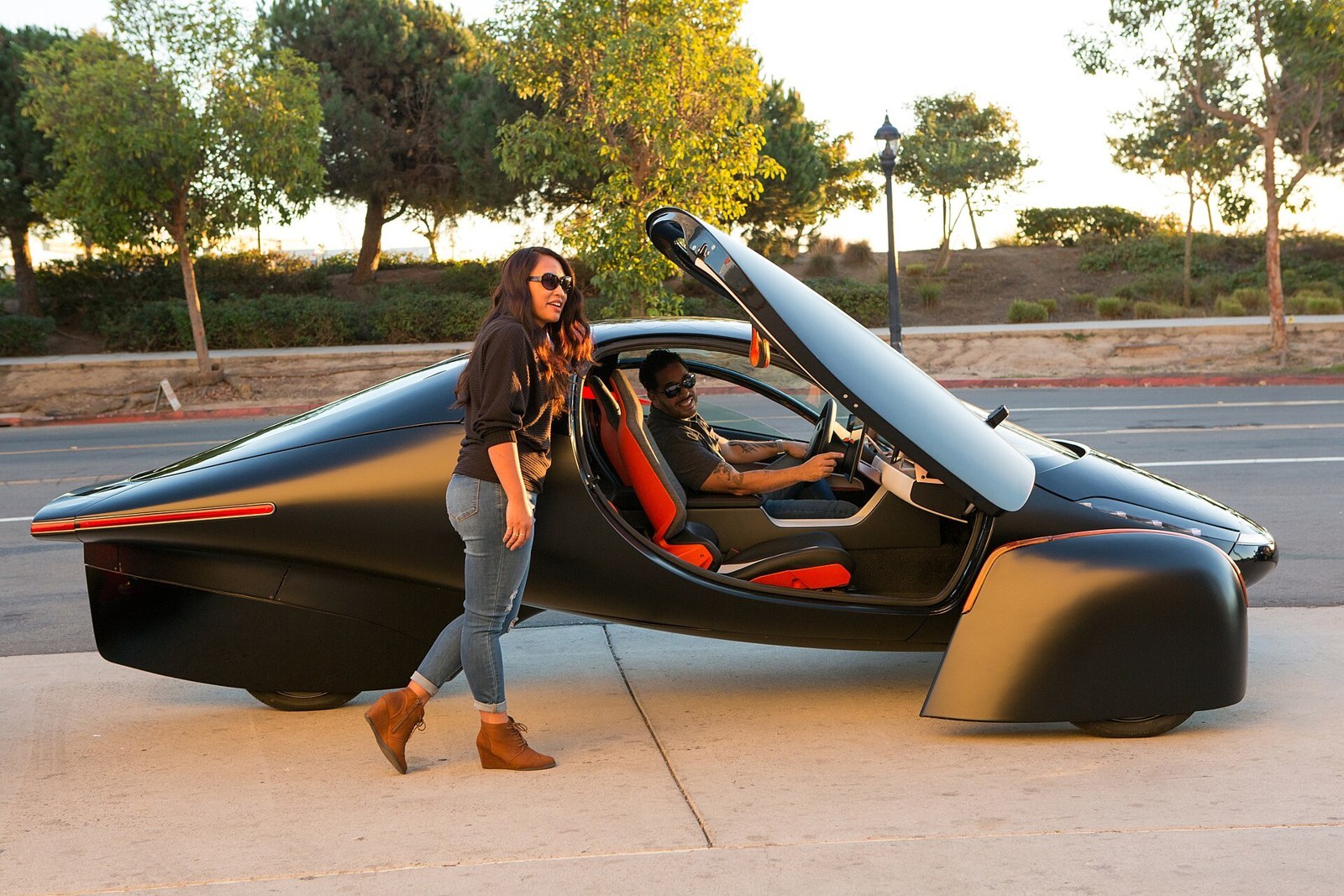
Aptera took a different approach: the company is developing a three-wheeled, two-seater electric vehicle with a teardrop-shaped body and lightweight composite materials. During July tests in Southern California, TÜV Rheinland recorded 4.23 kWh transferred from solar panels to the battery of a stationary prototype. According to Aptera's calculations, this amount corresponds to roughly 42 miles of solar-powered range, though the result depends on parking conditions and does not reflect actual driving range.