Skoda to work 'the Chinese way' and accelerate development of the new Karoq
Skoda plans to bring the second generation of the Karoq to market in three years—at least 12 months faster than the usual cycle. The project will be accelerated using the MQB Evo platform.
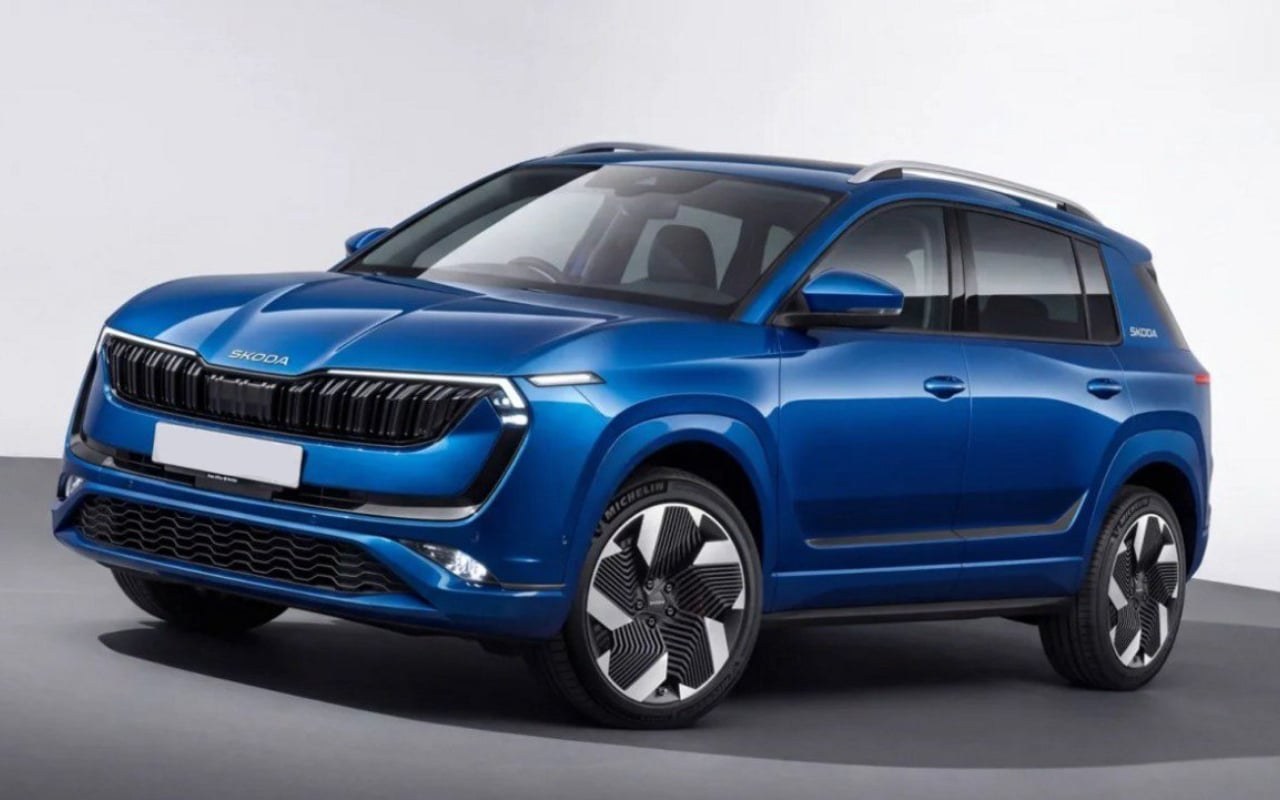
Skoda is preparing the second generation of the Karoq—the current version has been on sale for nearly ten years and maintains high demand. In 2025, over 102,000 vehicles were sold. Meanwhile, competition in the mid-size crossover segment has intensified from the Jaecoo 7, Omoda 7, and Chery Tiggo 7, while the Nissan Qashqai and Kia Sportage have received significant updates.
Johannes Neft, Head of Technical Development at Skoda, stated that the company expects to prepare the new model for market launch in three years. This is at least 12 months faster than the standard development cycle. According to Neft, the project will be one of the fastest not only for Skoda but also for the Volkswagen Group: the company intends to work at 'Chinese speed.'
The launch had been delayed due to uncertainty surrounding new European Union environmental regulations. Now that a decision has been made, the existing MQB Evo platform will enable faster progress. This platform is already used for the current Kodiaq and Superb, as well as the VW Golf, T-Roc, and Cupra Formentor.

Neft explained that a ready-made technical base reduces development time. This approach, he noted, is actively used by Chinese automakers.
One of the key features of the new Karoq is expected to be a hybrid powertrain. The MQB Evo platform supports a full hybrid system, similar to the one debuting in the Golf and T-Roc, which includes a 1.5-liter turbocharged engine and two electric motors. This setup will allow driving on electric power without connecting to an external charging station.
Additionally, Skoda may offer a plug-in hybrid version, following the example of the Kodiaq and Superb. The company does not plan to release a fully electric version of the Karoq. The new model is set to become one of the first examples of accelerated development within the Volkswagen Group and Skoda’s response to the growing challenge from Chinese competitors.